Making things better for everyone.
A hot sunny day. Sitting in the shade in my quite small Caversham garden, the tree in the corner had my attention. I was keeping an eye on it because, of late, it’s become a frequent stop-off point for greater spotted woodpeckers as they hurry back-and-forth between my bird feeders and the large mature trees over the road. Going by their markings, both male and female birds are coming and going, I assume to feed young. The tree seems to be a place for them to pause and check for dangers before they hop across to the feeders or, sometimes, over to the bird bath for a drink.
As I waited I found myself looking at the tree and thinking about just what it was I was looking at.
For a start, it’s a tree with a history. It came into my life as a twig with a bauble on it at a Christmas party over at Reading University, donkey’s years ago. Rather than seeing it binned, my partner brought it home. To cut a long story short, to everyone’s surprise, years after the party, I found I had a pretty chunky contorted willow tree thriving in my garden … and thrive it still does. But the twig’s life before the Christmas party? Interesting? Precarious? Varied? I have not a clue.
So, let’s stick with (one of the) things that distinguish us from other animals – our ability (all things being equal) to make choices, including about how we dress.
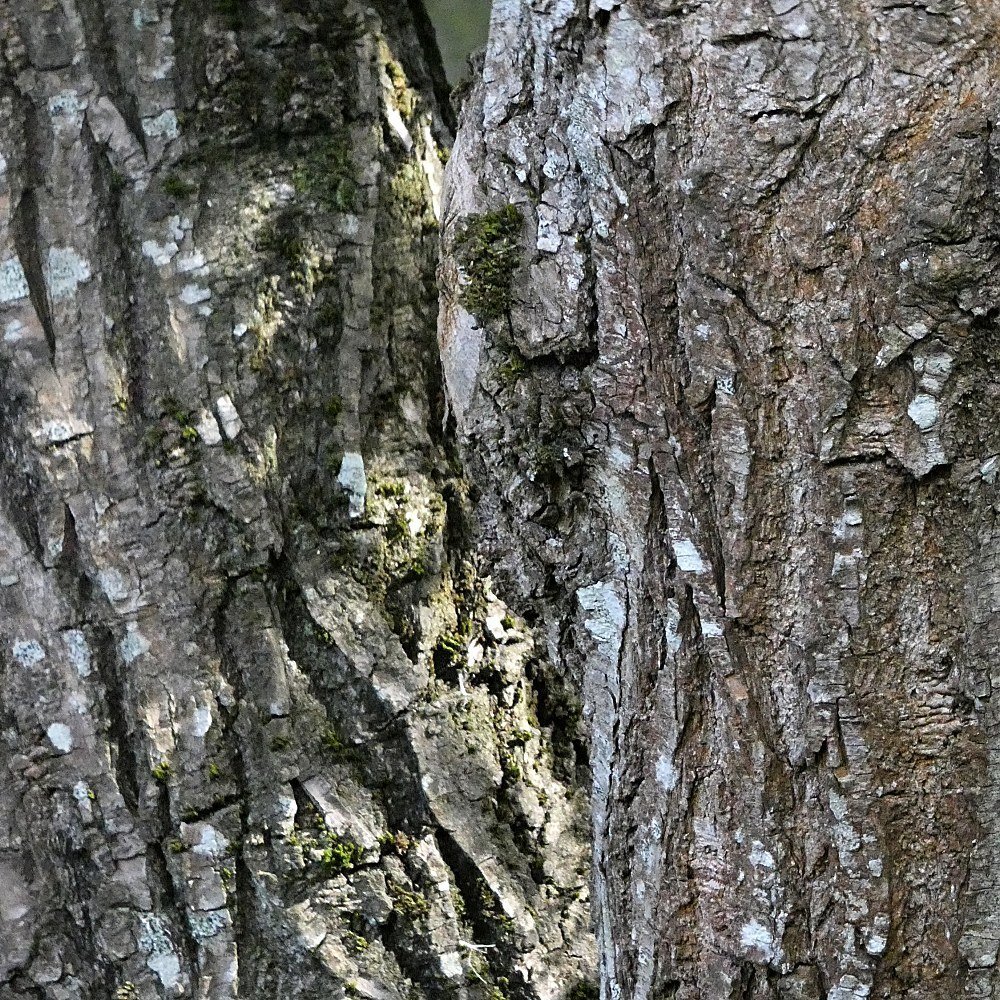
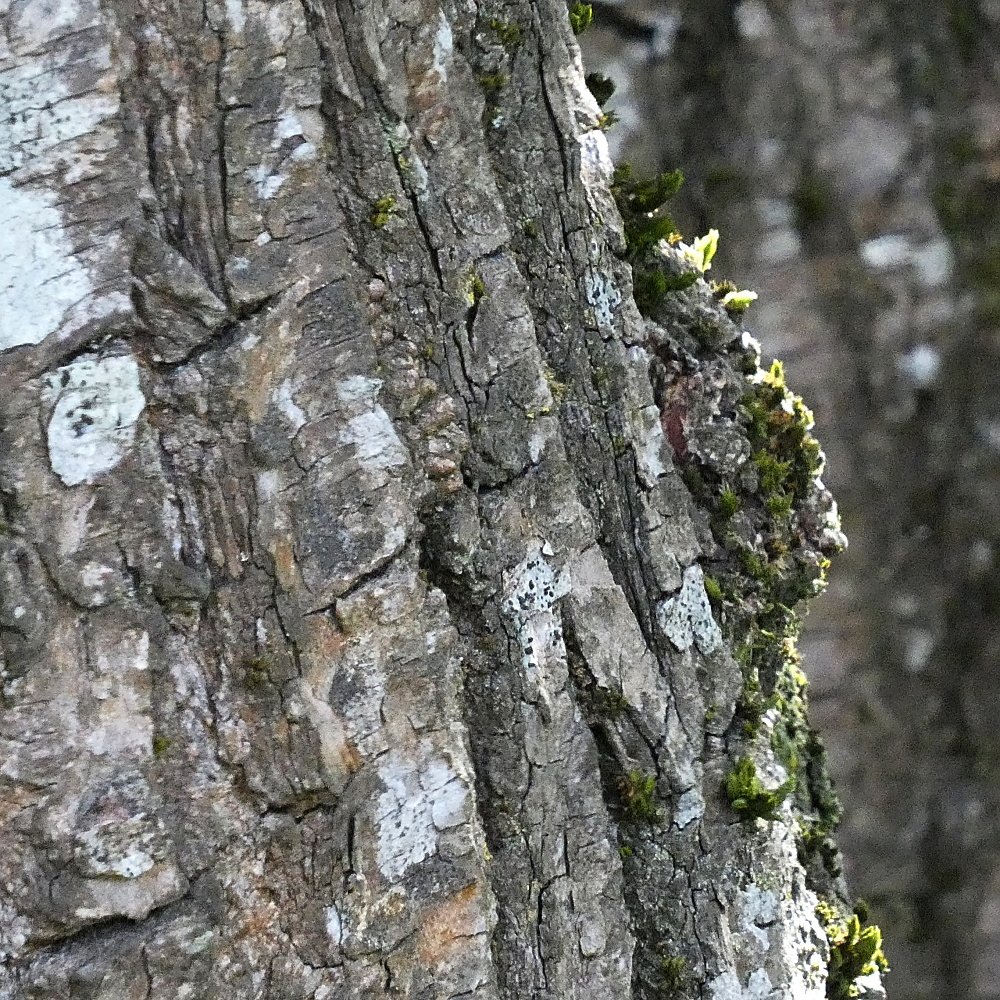
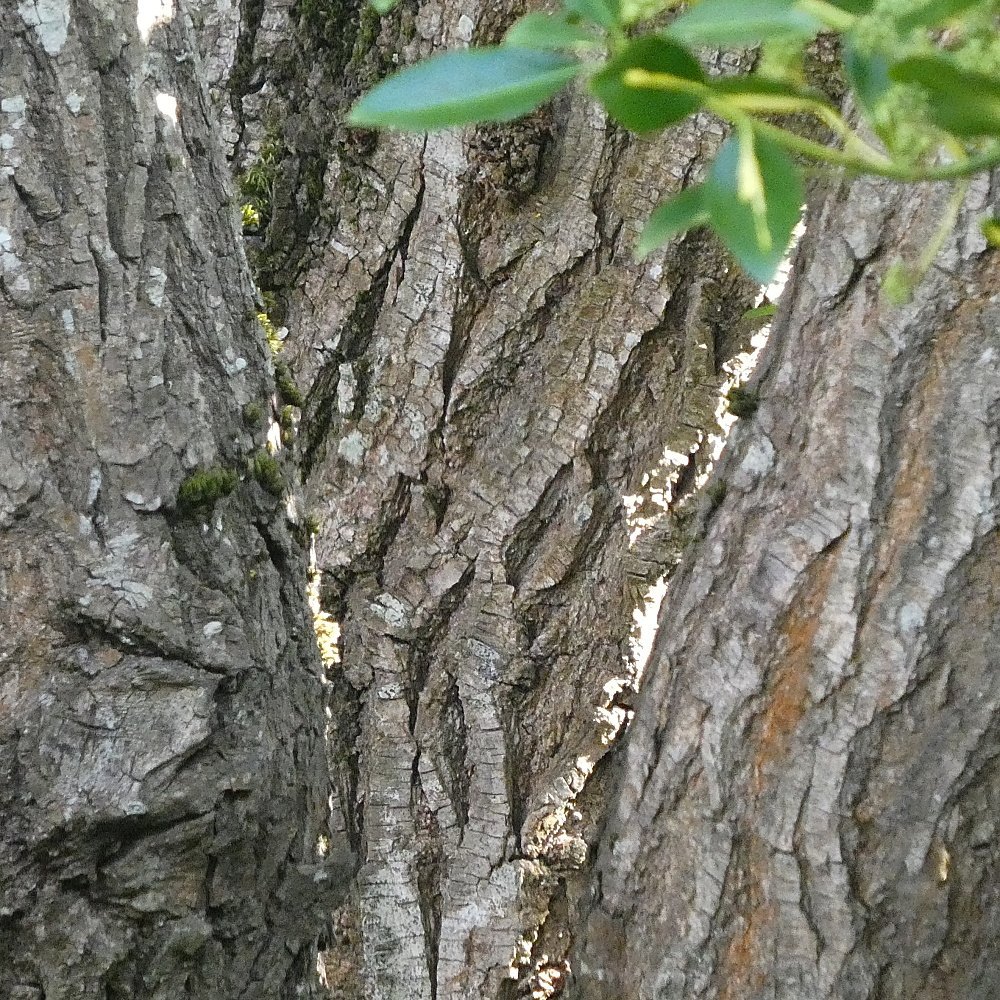
Inevitably, how it looks changes as the months go by; it responds as the seasons vary. For example, a cold winter will make it, as it were, hunker down more and shed more leaves than in milder years. Of course, branches will grow and thicken. The bark has changed – I guess you’d say it’s weathered as the years have gone on. And naturally, its colours are variables too – changing with the time of year, climate, light, moisture and so on.
All these parts of the tree have varying textural properties too – the bark is hard, rough and tough, the smaller branches smooth and bendy.
It only took a moment’s thought to realise that the tree has different roles for different birds. As well as using it as a stopping-off point, the woodpeckers will sometimes find food on the bark. Other birds hunt among the leaves and small branches. And some birds seem to use it to just take a break, sitting in it but doing little else. I think it offers dense, safe shelter – good for a little rest and recuperation.
Then there’s all the insect and bug life – I imagine the tree’s playing a major role in their schemes of things. I don’t think it’s far fetched to suspect there are communities living out their lives on it, with the tree one way or another providing homes and meals.
What’s more, the tree must be having an impact both on what it grows in and what it grows near to. The soil it’s in must have been changed by it – by its roots, by what it takes out and what it gives back. Nearby plants must be able to live with it as a neighbour – as it grows, as it grows leaves, as it sheds leaves.
Now, I know none of the above is amazing news. And I’m sure there’s plenty more that could be said about all that goes on in connection with any tree, not just the one in my garden. But if you’ve not thought about it before, I suggest there’s a lot to be gained by simply noticing and thinking about all that’s going on all around you, in your own garden, street, nearby park or copse … Noticing, thinking about and doing whatever you can to support what’s around us brings benefits to everyone and everything, humans included. It’s a free way to enrich life for all life.
I hope the snapshots below hint at what I’m talking about.